
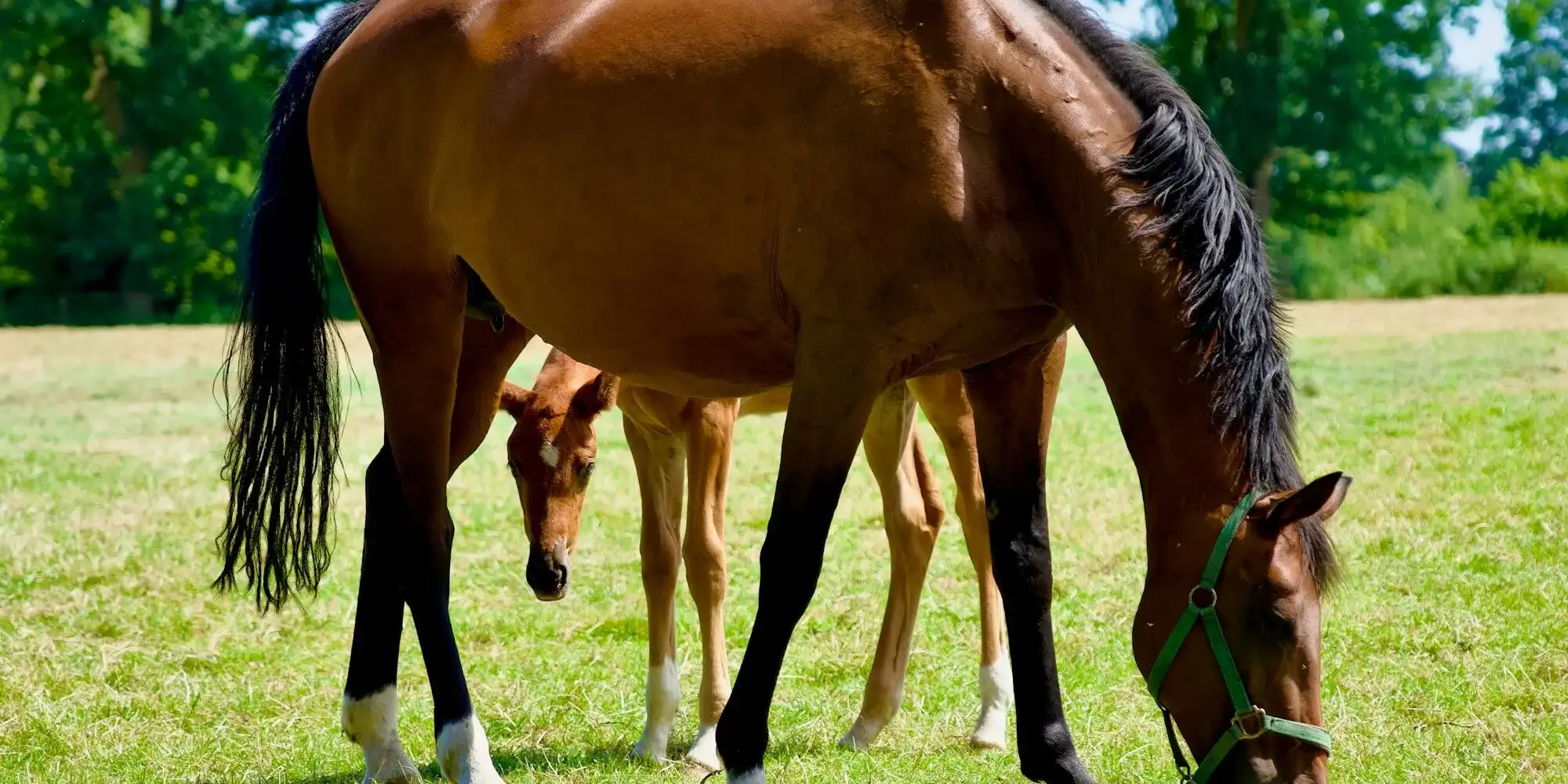
Planning to breed your mare can be an exciting journey, but successful breeding requires careful planning, timing, and management.
During our recent Winter Seminar, Hastings veterinarian Tarryn Walker shared practical insights into the breeding process, common reproductive challenges, and how veterinary support can help maximise your mare’s chances of success.
Whether you’re breeding your first mare or are a seasoned breeder, understanding what happens at each stage can help you make informed decisions and avoid potential pitfalls.
Start with a Plan
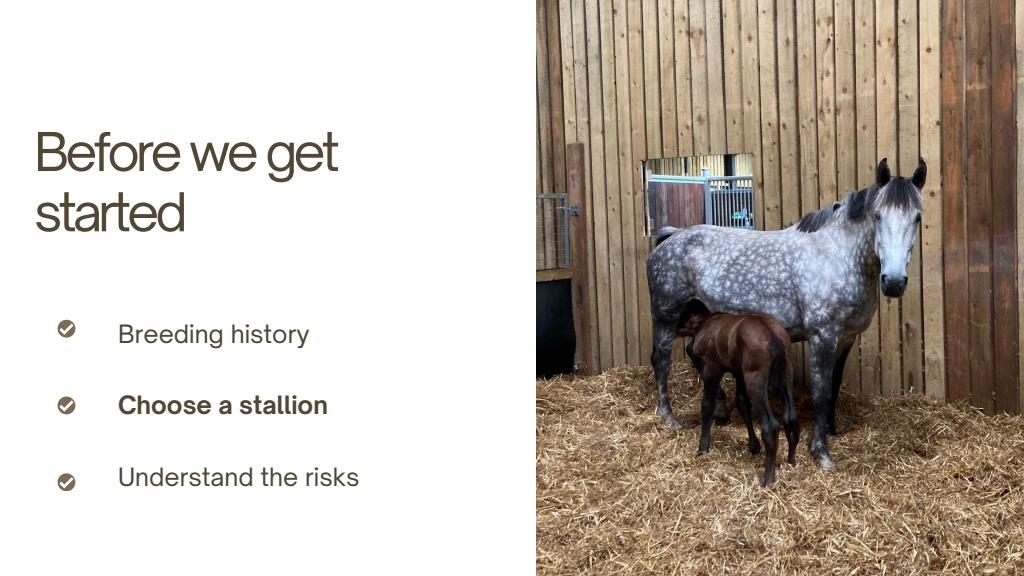
Successful breeding begins long before insemination. A thorough understanding of your mare’s breeding history, fertility, and overall reproductive health is essential. Choosing the right stallion is also an important step, balancing genetic goals with practical considerations such as semen availability, timing, and cost.
Fresh or Frozen Semen?
Both fresh chilled and frozen semen can produce successful pregnancies, but they require different management strategies.
- Fresh chilled semen is typically sourced within New Zealand and generally offers higher conception rates due to its larger volume and longer viability.
- Frozen semen gives breeders access to a wider range of stallions and genetics from around the world, but precise timing is critical. Because frozen semen has a much shorter lifespan once thawed, mares require more intensive monitoring around ovulation.

Understanding Your Mare’s Cycle
Mares generally cycle every 21 days, but every mare is different. Ultrasound examinations are an essential part of breeding management, allowing veterinarians to assess follicle development, monitor uterine changes, and determine the optimal time for breeding.
Several scans may be needed throughout the cycle, and in some cases hormonal treatments can be used to help manage breeding timing. Regular monitoring allows veterinarians to make informed decisions and improve the likelihood of conception.

Why Timing Matters
When it comes to breeding mares, timing is everything.
Follicles typically grow around 2–3 mm per day and are monitored closely as they approach ovulation. Once a follicle reaches the appropriate size, ovulation can be induced and breeding can be scheduled accordingly. Depending on the mare and breeding method, scans may be performed every one to two days during this period

The Insemination Process
The timing of insemination differs depending on the type of semen being used.
- Fresh chilled semen is generally inseminated shortly before ovulation
- Frozen semen is ideally inseminated within a narrow window surrounding ovulation.This is why mares being bred with frozen semen often require more frequent scans and closer supervision.

Pregnancy Scans: More Important Than You Might Think
Breeding doesn’t end once insemination is complete. Pregnancy scans are a crucial part of the process and help identify any issues early.
Typical pregnancy checks occur at:
- 14 days – to confirm pregnancy and check for twins
- 28 days – to monitor ongoing development
- 60 days – to confirm the pregnancy remains healthy and viable
The 14-day scan is particularly important because it allows veterinarians to identify twin pregnancies before the embryos become permanently implanted. \
Twins pose significant risks to both the mare and foals and often require intervention at this early stage.

Common Causes of Breeding Failure
Not every breeding season goes according to plan. A number of factors can affect fertility and pregnancy success, including:
- Post-mating induced endometritis (uterine inflammation)
- Uterine infections
- Poor reproductive conformation
- Twin pregnancies
- Pregnancy loss
- Maternal age and egg quality
- Low progesterone levels
- Stress and environmental factors


The Journey Doesn’t End at Pregnancy
Getting your mare in foal is only part of the story. Ongoing monitoring throughout pregnancy and after foaling is just as important. Post-foaling examinations help ensure both mare and foal are healthy, identify any complications early, and provide peace of mind that everything is progressing as it should.

How VS Equine Can Help
Our breeding facility at 220 Crystall Road provides a full range of reproductive services, including fresh and frozen semen breeding, foaling-down services, pregnancy monitoring, and post-foaling mare and foal checks. Our facilities are designed to provide a safe environment for both horses and handlers while allowing the flexibility needed to optimise breeding and foaling outcomes.
Whether you’re breeding a performance horse, sport horse, or treasured broodmare, planning ahead and working closely with your veterinary team can help give your mare the best possible chance of a successful breeding season.