
What is Sleip?
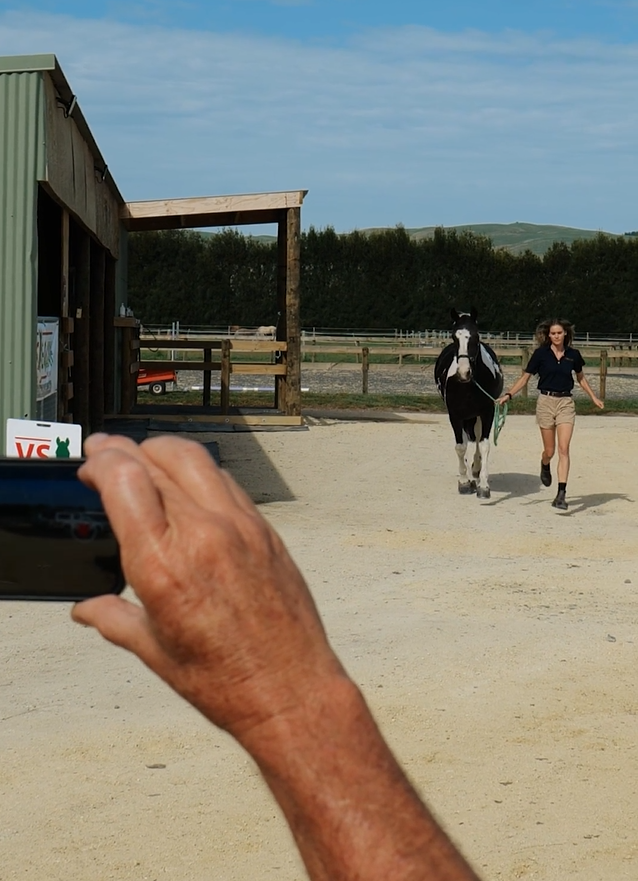
Sleip is a markerless, AI-powered gait analysis system that uses computer vision technology to objectively assess how a horse moves. Unlike traditional motion capture systems, there is no need for markers or specialised equipment attached to the horse. All that is required is an iPhone and a short recording of the horse trotting.
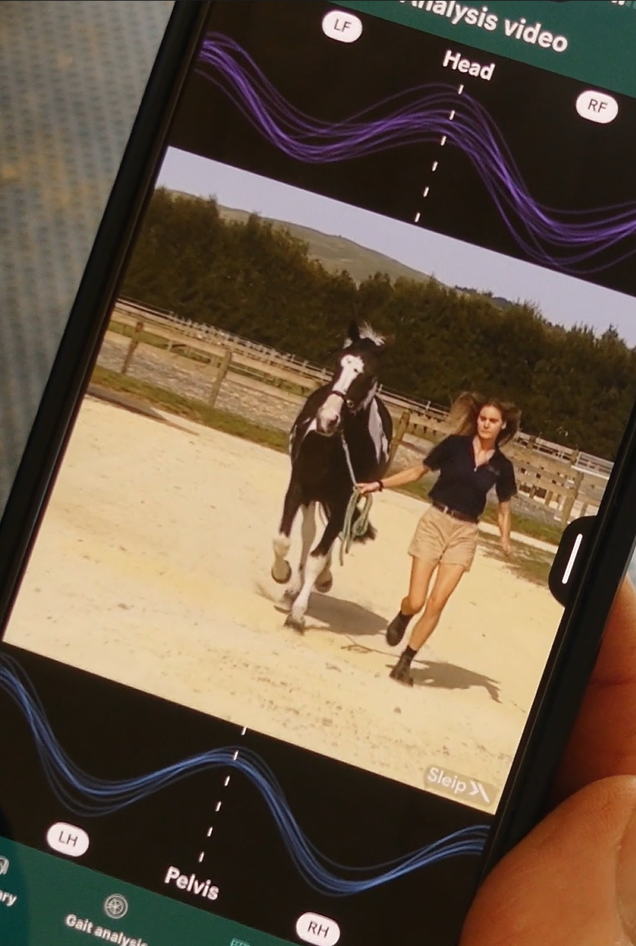
The technology measures movement with precision to within 2mm and evaluates the motion of the horse’s head, pelvis, and trunk. Numerous peer-reviewed studies have validated the accuracy of the system, providing veterinarians with reliable, objective data to support clinical decision-making.

Objective Data That Supports Better Decisions
One of the biggest advantages of AI gait analysis is its ability to remove subjectivity from the assessment process. While experienced veterinarians are highly skilled at identifying lameness, subtle abnormalities can sometimes be difficult to quantify or track over time.
Sleip provides objective baseline data that can be used to:
- Identify gait asymmetries.
- Monitor changes over time.
- Evaluate response to treatment or rehabilitation.
- Assist with performance assessments.
- Support discussions with owners, trainers, and riders.
Importantly, Sleip measures gait asymmetry rather than directly diagnosing lameness. The results are designed to complement, not replace, a comprehensive veterinary examination.
How Does It Work?
The process is simple and can often be completed during a routine lameness assessment.
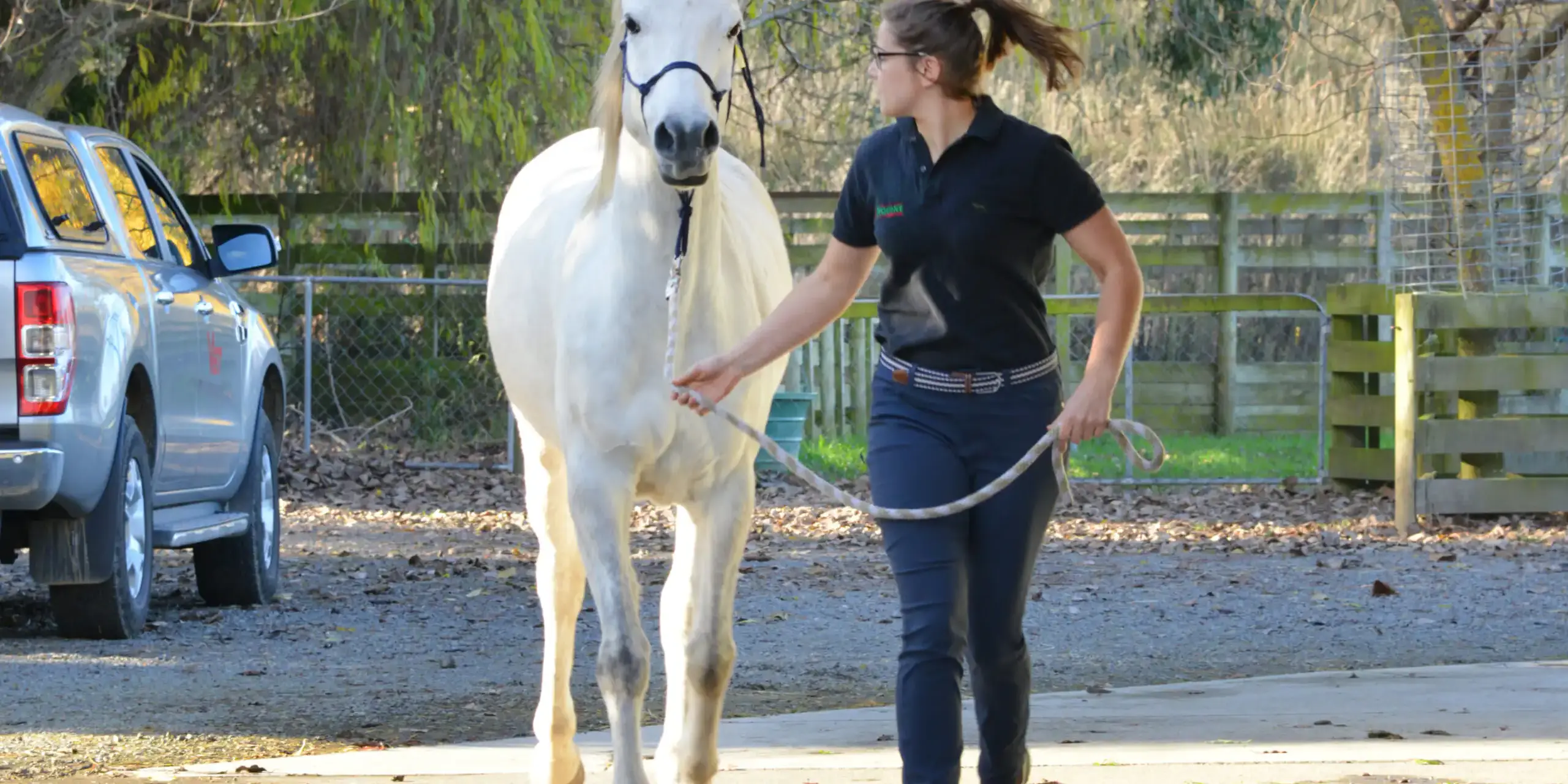
A horse is trotted in a straight line for approximately 30–40 metres and typically recorded twice. The horse may also be assessed while lunging on both reins for at least 30 seconds. The video is uploaded through the Sleip platform, where advanced AI analyses the horse’s movement and generates a detailed report.
The results are easy to review, download, and share.
Understanding the Results
Sleip produces a range of easy-to-interpret visual outputs, including:
- A summary overview showing areas of asymmetry.
- Asymmetry bars that highlight differences between left and right movement.
- Individual stride analysis.
- Detailed gait analysis graphs.
- Identification of potential compensatory movement patterns.
- Video-based review of the horse’s gait.
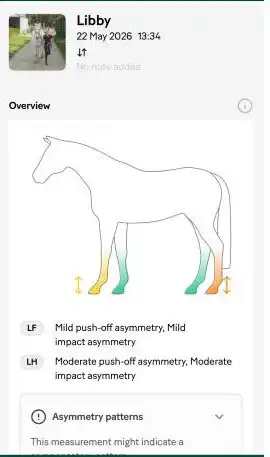
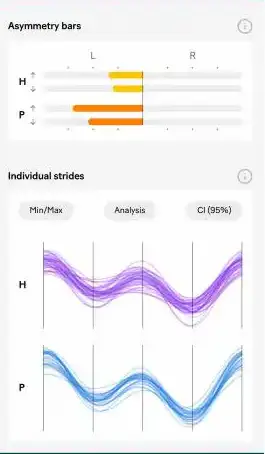
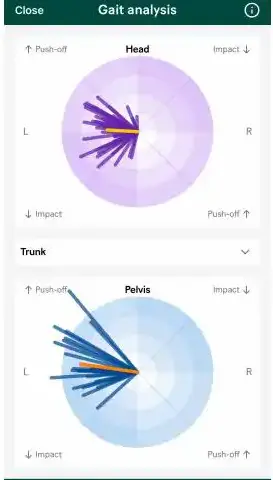
These visual reports make it easier to identify trends, communicate findings, and monitor progress over time.
Another Valuable Tool in the Toolbox
While Sleip is an incredibly useful diagnostic aid, it does not replace a thorough veterinary workup. Clinical examinations, flexion tests, diagnostic analgesia (nerve blocks), radiography, and ultrasound continue to play a vital role when investigating lameness concerns. Sleip serves as another tool that helps veterinarians gather objective information and build a more complete picture of a horse’s health and performance.
Is Sleip Right for Your Horse?
AI gait analysis can be beneficial for:
- Performance horses with subtle changes in movement.
- Horses returning to work after injury.
- Monitoring rehabilitation progress.
- Establishing baseline movement data.
- Horses with suspected lameness or asymmetry concerns.
By combining cutting-edge technology with experienced veterinary assessment, Sleip helps deliver more objective, informed decisions to support your horse’s soundness and performance.
If you’d like to learn more about Sleip AI Gait Analysis or discuss whether it could benefit your horse, contact the VS Equine team.