

VS Equine is encouraging horse owners to stay vigilant following the recent Strangles outbreak in the North Island.
According to the New Zealand Veterinary Association (NZVA), there are currently 12 confirmed affected properties in the Waikato and Auckland regions, with the outbreak primarily involving the thoroughbred industry. While there is currently no evidence of spread into other horse populations, horse owners are being urged to take proactive steps to protect their horses.
What is Strangles?
Strangles is a highly contagious bacterial disease that affects horses. It spreads through direct horse-to-horse contact, contaminated equipment, clothing, footwear, vehicles, and even people or pets moving between horses.
While most horses recover with appropriate care, Strangles can spread quickly and may have significant impacts on horse welfare and equine activities if not contained.
Know the Signs
Early detection is key. Monitor your horse closely for:
- Fever (often the first sign)
- Loss of appetite
- Depression or dullness
- Coughing
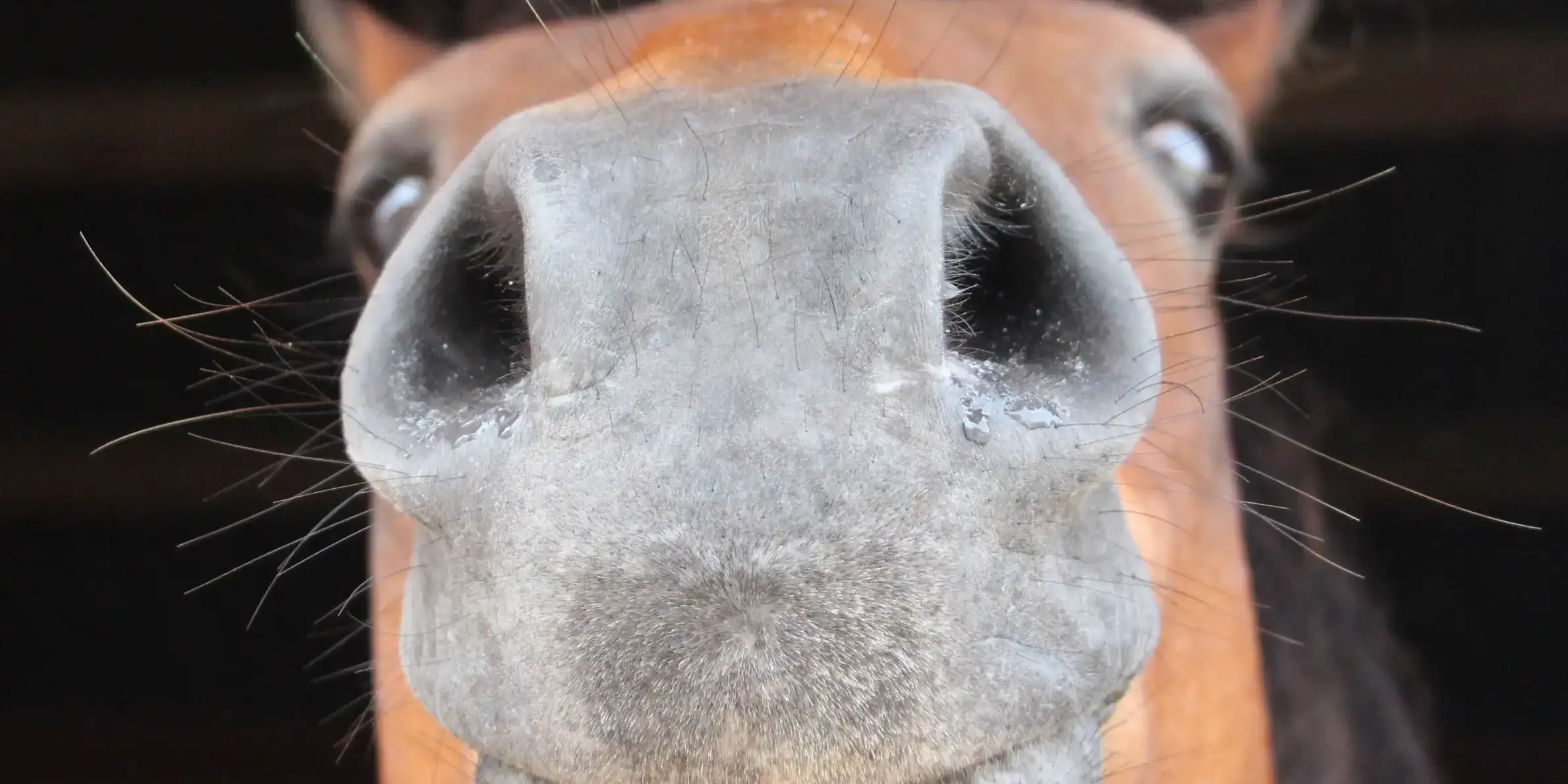
- Thick nasal discharge
- Swollen lymph nodes (“glands”)
If your horse develops a fever, particularly following travel, attendance at an event, or contact with unfamiliar horses, it should be treated as a potential Strangles case until proven otherwise.
Your Thermometer is Your Best Tool
Equine veterinarians are stressing the importance of regular temperature monitoring. (Normal Temperatures range from 37-38.3)
Taking daily temperatures can help identify a problem before obvious clinical signs develop. A fever may be the earliest indication of infection and allows infected horses to be isolated quickly, reducing the risk of spread.
What to Do if You Suspect Strangles
If your horse shows any signs of illness:
- Isolate the horse immediately.
- Avoid contact with other horses.
- Do not share equipment, feed bins, or water troughs.
- Contact your veterinarian as soon as possible for advice and testing.
Biosecurity Matters
Good biosecurity remains the best defence against disease spread.
Horse owners should:
- Monitor temperatures regularly.
- Isolate any horses showing signs of illness.
- Wash and disinfect equipment after use.
- Clean footwear and clothing between properties.
- Practise thorough hand hygiene.
- Minimise unnecessary horse movements.
- Speak with their veterinarian about vaccination options.
Treatment and Recovery
Most horses recover well with supportive nursing care, good nutrition, and hydration. Antibiotics are generally not required except in specific situations under veterinary guidance.
Stay Informed
This remains an evolving situation and the equine industry is continuing to monitor developments closely.
If you have concerns about your horse or would like advice on biosecurity, monitoring, testing, or vaccination, please contact the VS Equine team.
For additional information and updates, visit the New Zealand Equine Health Association’s Strangles information page.
Questions or concerns?
Contact VS Equine at any time for advice and support. Early detection and good biosecurity are the most effective ways to protect your horses and help prevent further spread of disease.